

Whether a sports water cup can hold hot water is a concern for many consumers. To answer this question, we need to conduct an analysis from multiple perspectives such as material, design and usage methods.
Material factors
Most sports water cups are made of the following common materials:
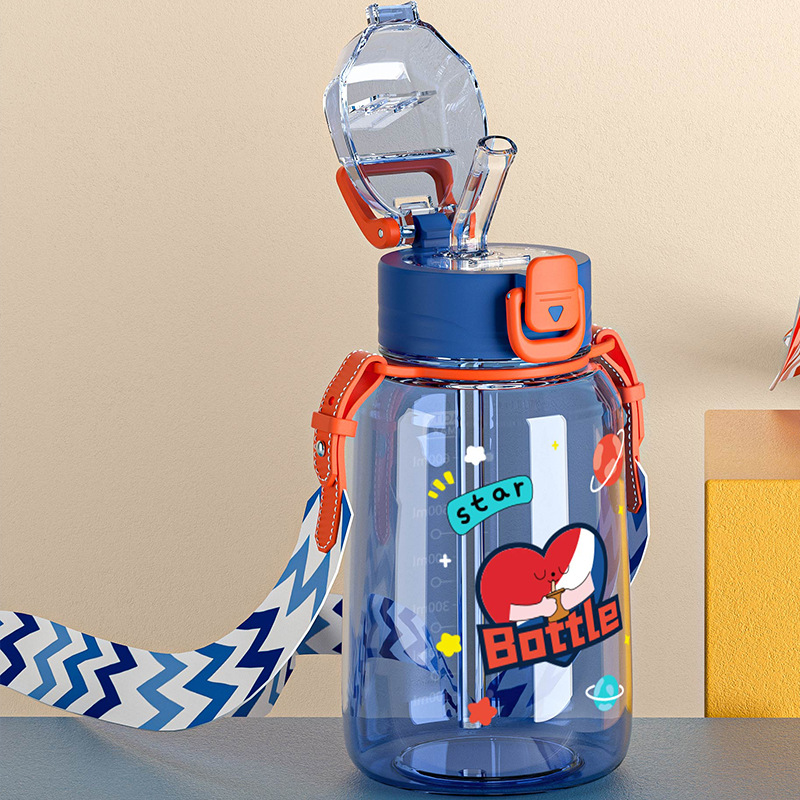
Plastic materials: including Tritan, PP(polypropylene), PC(polycarbonate), etc. Among them, Tritan and PP materials can usually withstand high temperatures up to around 100℃ and are suitable for holding hot water. PC material may release bisphenol A(BPA) at high temperatures, so it is not recommended to hold hot water.
Stainless steel material: 304 or 316 food-grade stainless steel insulated cups are very suitable for holding hot water, with good heat preservation performance and safety.
Glass material: High borosilicate glass sports water cups can withstand high temperatures, but they are relatively heavy and not very suitable for intense exercise.
Sealing performance
The leak-proof performance of sports water cups mainly depends on their sealing structure:
Silicone rubber sealing ring: High-quality sports water cups use food-grade silicone rubber sealing rings, which are heat-resistant and have good elasticity, effectively preventing water leakage.
Thread design: The fine thread fit can enhance the sealing performance and is less likely to leak even when inverted.
One-click opening and closing mechanism: Some moving water cups adopt complex mechanical structures, which may undergo slight deformation at high temperatures, leading to leakage.
Problems that may be encountered when filling hot water
Although many sports water cups can theoretically hold hot water, the following problems may be encountered in actual use:
Physical leakage
Thermal expansion and contraction effect: Hot water can cause changes in the pressure inside the cup, which may temporarily damage the sealing property. It usually returns to normal after the temperature reaches equilibrium.
Aging of the sealing ring: Long-term high-temperature use will accelerate the aging of the silicone sealing ring and shorten the service life of the water cup.
Potential safety hazards in use
Risk of scalding: Vigorous shaking during exercise may cause hot water to splash out, resulting in scalding.
Material change: Inferior plastics may release harmful substances or deform at high temperatures.