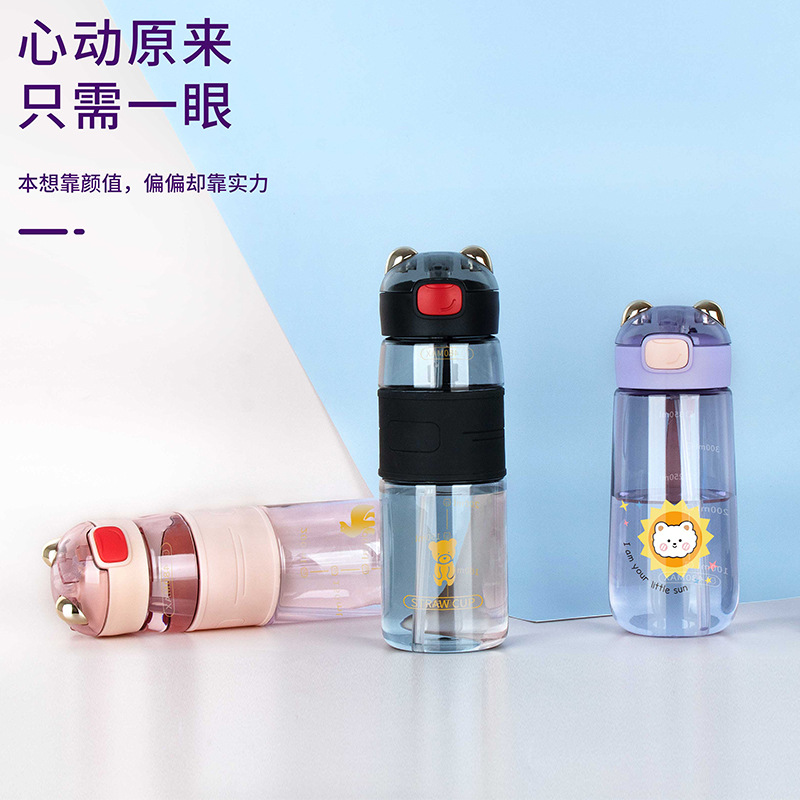
I. The Importance and Function of Rubber Rings for Sports Water Cups
The rubber ring on the lid of a sports water cup (also known as a sealing ring or O-ring) is the core component of the water cup sealing system and is usually made of elastic materials such as silicone, rubber or TPE. This seemingly insignificant little accessory actually undertakes several important functions:
Sealing and leak prevention: The main function of the rubber ring is to ensure that the cup lid is closely attached to the cup body, preventing the liquid from leaking during movement or when inverted. According to the standards of the National Sanitation Foundation (NSF) of the United States, high-quality sealing rings should be able to withstand a drop test from a height of at least 1 meter without leaking water.
Insulation and cold preservation: For insulated water cups, the sealing performance of the rubber ring directly affects the insulation effect. Research by the Japan Insulation Container Industry Association shows that a well-functioning sealing ring can enhance insulation performance by more than 30%.
Dust-proof and stain-proof: The physical barrier formed by the rubber ring can effectively prevent external dust, bacteria and other contaminants from entering the cup.
Buffering and shock absorption: The elasticity of the rubber ring can absorb part of the impact force and protect the connection part between the cup lid and the cup body.
Ii. Standard Cycle for Replacing Rubber Rings
The frequency of rubber ring replacement is influenced by multiple factors and cannot be simply determined by time. The following are the detailed indicators for determining whether the rubber ring needs to be replaced:
1. Replacement suggestions under regular usage conditions
Light use (2-3 times a week) : Replace every 12-18 months
Moderate use (daily use) : Replace every 6 to 12 months
Heavy use (multiple daily uses and frequent disassembly) : Replace every 3 to 6 months
2. The influence of material differences
Material type, average lifespan, temperature range, chemical resistance
Food-grade silicone, 12-24 months, excellent at -40℃ to 230℃
Natural rubber for 6 to 12 months at -20℃ to 100℃
TPE elastomer is good for 9 to 18 months at -30℃ to 120℃
3. Influencing factors of the usage environment
High-temperature environments (such as being placed in a vehicle or soaked in boiling water) : Lifespan is shortened by 30-50%
Chemical exposure (fruit juice, acidic beverages, sports drinks) : May accelerate aging
Ultraviolet exposure: The aging rate accelerates when used outdoors
Mechanical damage: Frequent disassembly and excessive stretching will reduce the service life
4. Specific signs that require replacement
The rubber ring should be replaced immediately when any of the following situations occur:
Visible deformation: The rubber ring loses its original shape, showing permanent indentations or distortions
Loss of elasticity: It cannot return to its original state after stretching, and the rebound force drops significantly
Surface cracks: Fine cracks or cracking phenomena visible to the naked eye
Sticky feeling: The surface becomes sticky or white powder-like substances (precipitates) appear
Seal failure: Even if the lid is tightened, water will still leak
Color change: Obvious yellowing or the appearance of spots
Odor generation: Even after cleaning, there is still a plastic or rubber odor
Iii. Detailed Steps for Replacing Rubber Rings
Preparations before replacement
Select the appropriate rubber ring
Confirm the model of the water cup and the specifications of the rubber ring (diameter, cross-sectional diameter)
Give priority to choosing original factory parts or food-grade certified products
It is recommended to prepare 1 to 2 spare rubber rings when purchasing
Preparation of cleaning tools
A soft-bristled toothbrush or cotton swab
Neutral detergent or baking soda solution
75% medical alcohol (for disinfection)
A clean lint-free cloth
Step-by-step replacement guide
Disassemble the old rubber ring
Open the cup lid completely and find the rubber ring fixing groove
Gently lift from one end with a plastic prying rod or blunt tweezers
Take it out gradually along the circumferential direction, and avoid scratching the slot with metal tools
Thorough cleaning
Use a toothbrush to clean the dirt and water stains in the groove of the rubber ring
For stubborn stains, apply a baking soda paste (baking soda + water) for 10 minutes
Finally, wipe and disinfect with an alcohol swab
Install the new rubber ring
Confirm the front and back sides of the rubber ring (usually the side with the model mark faces outward)
Starting from one point, gradually press the rubber ring into the groove with your fingers
Ensure that the entire circumference is evenly inserted into the groove without distortion or folding
After installation is completed, check along the circumference with your fingers to ensure it is fully in place
Functional test
Fill the cup with about one-third water and tighten the lid
Turn it upside down and shake it to check for any leaks
Test the opening and closing 3 to 5 times to confirm the sealing performance
Iv. Maintenance Tips for Extending the Service Life of Rubber Rings
Daily cleaning guidelines
Wash promptly after each use to avoid beverage residue
At least one deep cleaning per week: Remove the rubber ring and clean it separately
After cleaning, let it dry completely before reassembling (mold is prone to grow in a humid environment).
Correct storage method
When not in use for a long time, the rubber ring should be disassembled and stored separately
Avoid direct sunlight and high-temperature environments
Do not store with sharp objects
Precautions for use
Avoid biting open the cup lid with your teeth
When tightening the cap, apply moderate force. Over-tightening will accelerate the deformation of the rubber ring
High-temperature disinfection should not exceed 120℃ or last for more than 5 minutes
Seasonal maintenance
Summer: Pay attention to mold prevention. You can regularly soak it in diluted white vinegar
Winter: Avoid low-temperature brittleness. Preheat with warm water before use
V. Frequently Asked Questions
Q: The rubber ring is a bit loose but hasn't leaked yet. Does it need to be replaced? A: It is suggested to replace it. Rubber rings with insufficient preload may suddenly fail during movement, posing a risk of water leakage.
Q: Can rubber rings of different brands be used interchangeably? A: Not recommended. Even if the sizes are similar, slight differences in specifications may affect the sealing performance. A test by a certain consumers' association shows that the leakage rate of non-original rubber rings is as high as 42%.
Q: Can the rubber ring be lubricated with edible oil? A: Absolutely prohibited. Grease can accelerate the aging of rubber and may contaminate drinking water. If lubrication is needed, a small amount of pure water can be used to moisten it.
Q: How to judge the quality of rubber rings purchased online? A: High-quality rubber rings should have clear food-grade certification marks (such as FDA, LFGB), be odorless, be able to quickly rebound after stretching, and have a smooth surface without burrs.
Q: Can a moldy rubber ring still be used? A: Not recommended. Mold may penetrate into the interior of the material and cannot be completely removed by regular cleaning, posing a health risk.