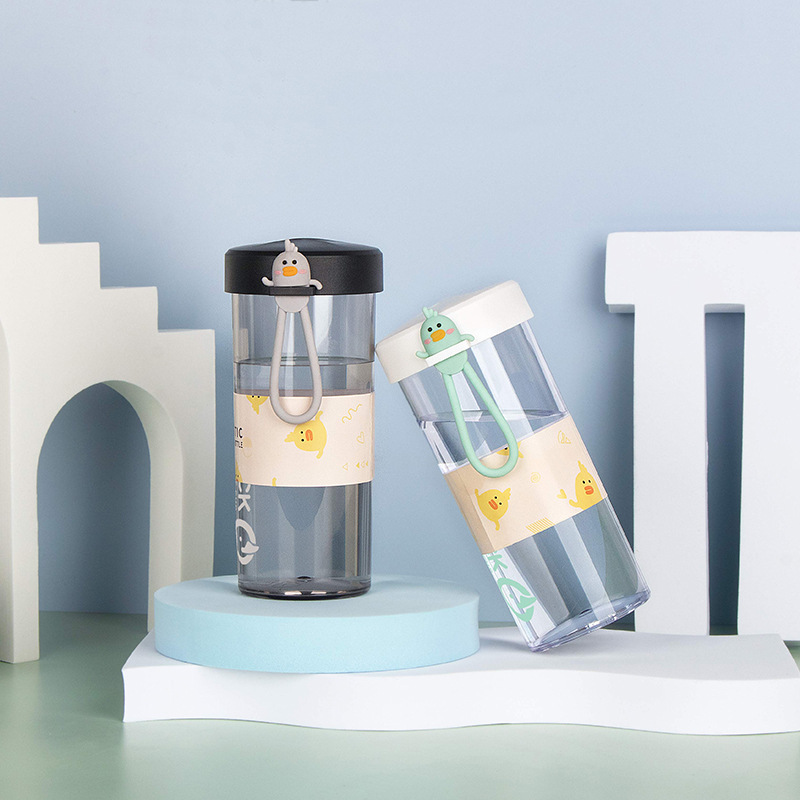
In modern life, water bottles have become indispensable items in People's Daily lives. Whether used to carry drinking water, hot drinks or cold drinks, the heat preservation performance of water bottles is a key concern for consumers. The material of the water bottle and the thickness of the insulation layer are two key factors determining its insulation effect. This article will explore in detail the influence of water bottle material on the thickness of the insulation layer, as well as how the two work together to affect the insulation performance of the water bottle.
The influence of water bottle material on the thickness of insulation layer
The material of the water bottle directly affects the thickness requirement of the insulation layer, which is specifically manifested as follows:
Materials with high thermal conductivity, such as stainless steel and glass, due to their high thermal conductivity, heat can easily be transferred to the outside through the bottle wall. Therefore, water bottles made of this type of material require a relatively thick insulation layer to reduce heat loss and achieve a good heat preservation effect.
Materials with low thermal conductivity, such as ceramics and certain composite materials, have a certain degree of heat preservation by themselves and transfer heat relatively slowly. Therefore, water bottles made of this type of material can use thinner insulation layers, and in some cases, no additional insulation layers are even required.
Single-layer design materials: such as ordinary plastic water bottles, due to their high thermal conductivity and usually single-layer design, their heat preservation effect is relatively poor. The insulation layer thickness of this type of water bottle is almost zero, and its heat preservation performance is limited.
Double-layer or vacuum design materials: such as stainless steel vacuum insulated water bottles, with a vacuum layer in the middle of the double-layer design, effectively reducing heat conduction and convection. Although the insulation layer of this type of water bottle is relatively thin, due to the existence of the vacuum layer, the heat preservation effect is very good.
The material of the water bottle and the thickness of the insulation layer are two key factors determining its insulation performance. Materials with high thermal conductivity, such as stainless steel and glass, require thicker insulation layers to achieve good insulation effects. Materials with low thermal conductivity, such as ceramics and certain composite materials, can adopt thinner insulation layers. In practical applications, consumers should choose water bottles with suitable materials and insulation layer thicknesses based on factors such as usage scenarios, portability, cost and environmental friendliness.
By rationally choosing the material and the thickness of the insulation layer, the insulation performance of the water bottle can be effectively enhanced to meet the usage requirements in different scenarios. In the future, with the continuous advancement of materials science and manufacturing processes, the material and insulation layer design of water bottles will become more diverse and efficient, providing consumers with a better user experience.